
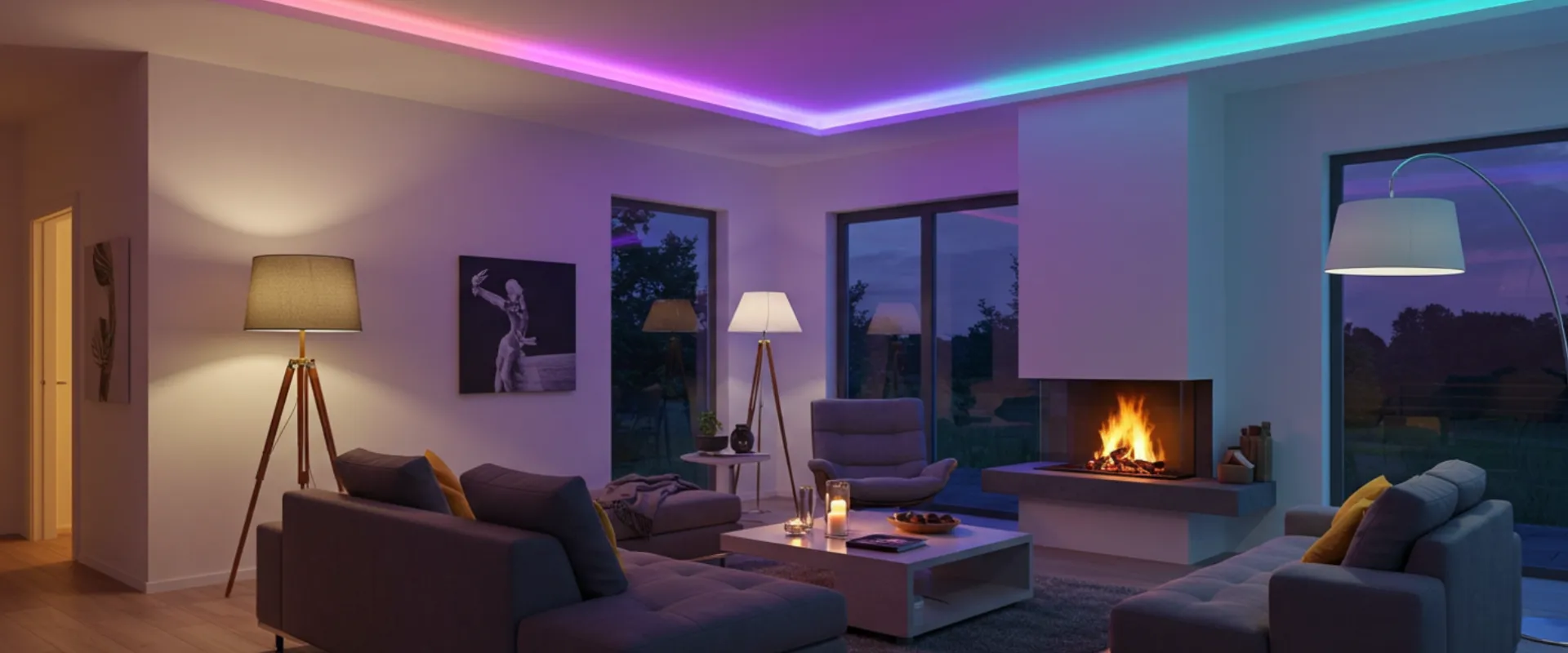
Finally! The solution to the
color lighting dilemma!
When I started my smart home journey almost a decade ago, I discovered a serious limitation with smart color lighting. With the current technology, you could either have smart bulbs or smart dimmer switches, but not both. How is it possible that in 2025, you still only have the same two choices?
But then I had an idea!

A simple, yet elegant solution to the problem! (Launching Q1 2026)
Introducing the Cloudless Smart Home™ Color Commander®
Full color lighting, locally controlled, with no cloud, no apps, and no compromises!
Color Commander® provides a way to have a normal looking light switch, that is intuitive to operate, and allows you to control your color led lighting. Once we have our patent pending status established, we will reveal and sell this amazing product here, on our website!
If you would like to be notified when we launch this revolutionary product, contact us and we will let you know!
Pros
- No App Required – Full control of on/off, dimming, change colors, and change white balance, all through an easy to use smart light switch!
- Aesthetic Appeal – Transform spaces, create moods, highlight features
- Seasonal Mood Support – Bright light therapy can help with seasonal depression
- Health Benefits – Blue light for energy, red light for relaxation
- Circadian Rhythm Support – Adjusts color temperature throughout the day to support natural sleep-wake cycles
- Better Sleep Quality – Reduces blue light exposure in evening hours
- Enhanced Focus – Different colors optimize concentration for work, reading, or relaxation
- Entertainment Features – Sync with music, create light shows for parties
- Security Benefits – Realistic occupancy simulation with varied colors and schedules
- Family Harmony – No confusion about leaving switches ON or using apps
- Activity Optimization – Specific lighting colors for cooking, TV watching, or hobbies
- Familiar Operation – Everyone knows how to use wall switches; no learning curve
- Guest-Friendly – Visitors can operate lights normally without instructions
- No Privacy Concerns – Bulbs don’t collect or transmit data
- No Forced Obsolescence – Bulbs are not dependent on manufacturer cloud services
Cons
- Higher Cost – Color LED bulbs cost more than standard dimmable LED bulbs (but it’s so worth it!)
- Requires one time setup with Home Assistant – (but that’s super easy following our step by step instructions, and a no-brainer if you are already running Home Assistant)

Product Image Coming Soon!


Smart dimmer switches with “dumb” dimmable led bulbs
Pros
- Familiar Operation – Everyone knows how to use wall switches; no learning curve
- Guest-Friendly – Visitors can operate lights normally without instructions
- Lower Bulb Costs – Standard dimmable LED bulbs cost much less than smart bulbs
- No App Required – Basic on – off – dimming works without apps
- Reliable Operation – Fewer components to fail; works during internet outages
- No Privacy Concerns – Bulbs don’t collect or transmit data
- Simple Installation – Replace bulbs normally; no setup or pairing required
- No Forced Obsolescence – Bulbs work regardless of manufacturer cloud services
- Works with Existing Wiring – Usually compatible with standard electrical setups
- Family Harmony – No confusion about leaving switches ON or using apps
Cons
- White Light Only – Limited to warm and cool white; no color options
- No Circadian Support – Can’t automatically adjust color temperature throughout day
- Limited Health Benefits – Missing blue light blocking and color therapy features
- No Mood Lighting – Can’t create colored ambiance for parties or relaxation
- No Entertainment Features – Can’t sync with music or create light shows
- Higher Switch Cost – Smart switches cost more than basic switches
- Installation Complexity – May require electrical work or neutral wire
- Limited Automation – Advanced scheduling still requires apps/hubs
- Flickering Issues – Some LED bulbs flicker with certain dimmer switches
- Missing Activity Optimization – Can’t optimize lighting color for different tasks
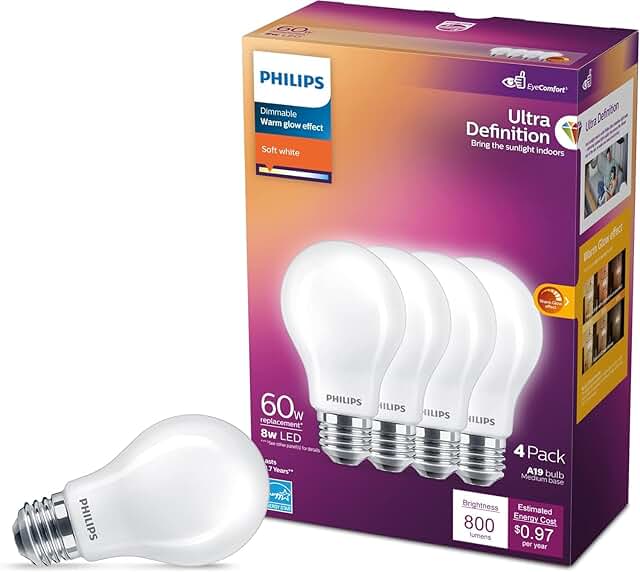
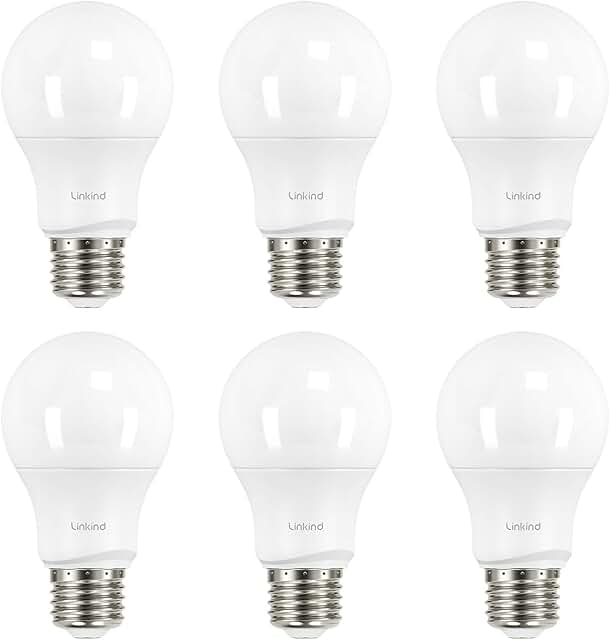

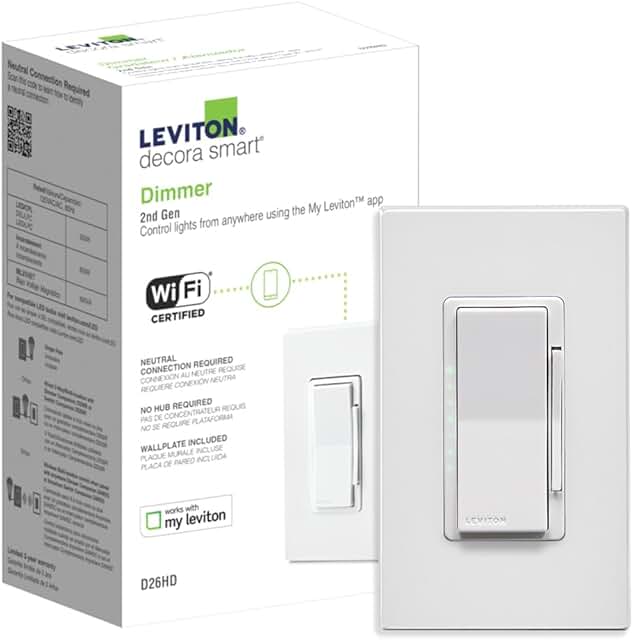
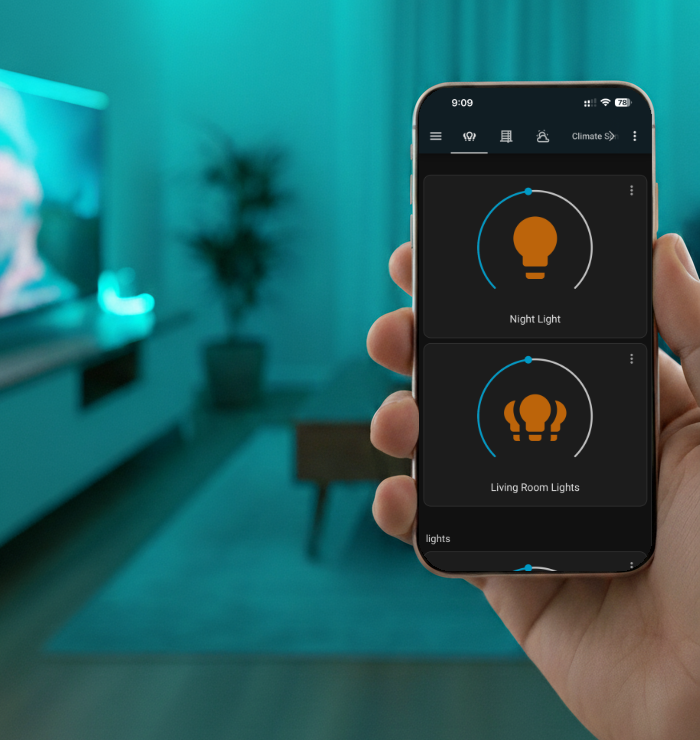
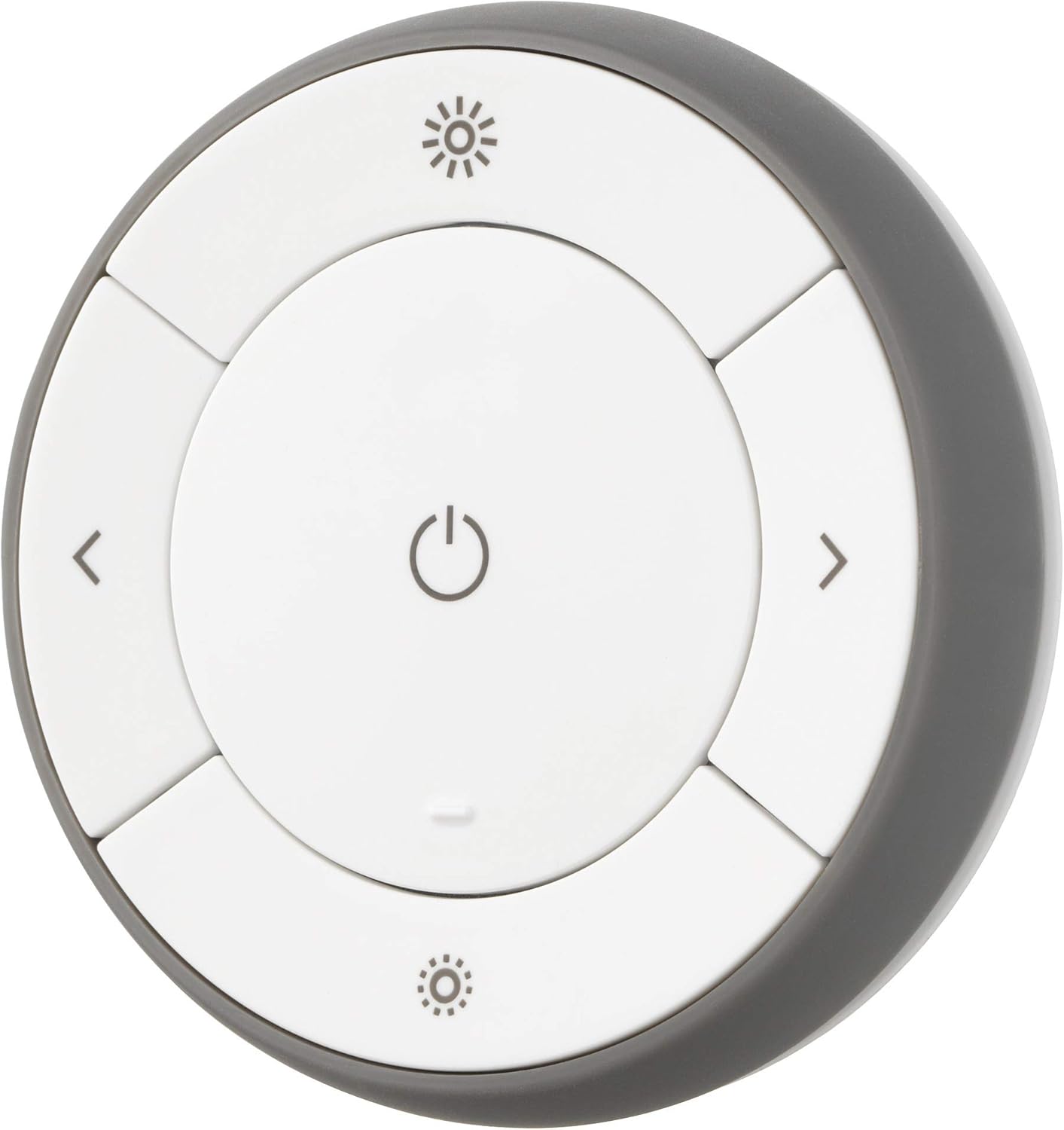
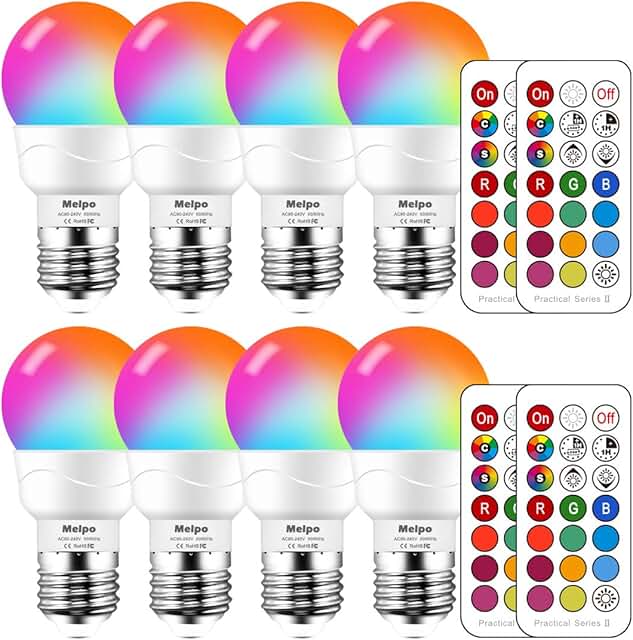
Full color smart lighting with apps and remotes
Pros
- Aesthetic Appeal – Transform spaces, create moods, highlight features
- Seasonal Mood Support – Bright light therapy can help with seasonal depression
- Health Benefits – Blue light for energy, red light for relaxation
- Circadian Rhythm Support – Adjusts color temperature throughout the day to support natural sleep-wake cycles
- Better Sleep Quality – Reduces blue light exposure in evening hours
- Enhanced Focus – Different colors optimize concentration for work, reading, or relaxation
- Entertainment Features – Sync with music, create light shows for parties
- Security Benefits – Realistic occupancy simulation with varied colors and schedules
- Activity Optimization – Specific lighting colors for cooking, TV watching, or hobbies
Cons
- Control Complexity – Multiple control methods (apps, voice, remotes) create confusion for family members and guests who just want to flip a switch
- Proprietary remotes and bulb systems
- Higher Cost – Color LED bulbs cost more than standard dimmable LED bulbs
- Family Frustration – People turn off wall switches, completely disabling the light
- Guest Confusion – Visitors don’t know how to operate lights without your app
- Switch Compatibility Issues – Can’t use traditional dimmer switches; must leave wall switches ON at all times or smart functionality breaks
- Setup Complexity – Requires app downloads, WiFi setup, account creation
- Internet Dependency – Many systems fail during outages; can’t control lights when Internet is down
- Privacy Concerns – Cloud-based systems collect data about your lighting habits and home occupancy patterns
- Reliability Issues – Apps crash, connectivity drops, firmware updates can break functionality
- Forced Obsolescence – Manufacturers can discontinue cloud services, making working bulbs useless
- Subscription Creep – Companies increasingly charge monthly fees for advanced features
- Multiple Apps Required – Different brands require different apps, cluttering your phone
The History of Lighting
According to historical accounts, early humans used fire for cooking, lighting, and heat. Archaeological researchers have found evidence of fire use in various cave sites around the world.
Early lighting methods included simple torches made from branches or bundles of resinous wood. Pine torches would produce a flame that illuminates a diameter of about 3 meters.
Benefits: Multiple purposes including cooking food, providing warmth, creating light for movement in darkness, and signaling across distances.
Limitations: Short burn time (30-60 minutes), required constant motion to maintain flame, produced significant smoke, created serious fire hazards, and required constant monitoring.
Fire’s obvious dangers and limitations led to the development of more controlled lighting technologies.
Early oil lamps represent one of the earliest forms of controlled lighting. Some historians believe primitive examples were made from hollow rocks or shells filled with moss soaked in animal fat.
Early oil lamps were simple, shallow vessels containing fuel (animal fat or vegetable oil) with a wick made of plant fibers. As pottery developed, clay lamps became more sophisticated.
Benefits: Long-burning compared to torches, relatively stable and safe, could be left unattended (unlike torches), reusable, and allowed for decorative elements.
Limitations: Limited brightness, produced smoke and odor (especially with animal-based fuels), oil could spill creating fire hazards, required wick trimming, and needed regular maintenance.
1780s: Revolutionary Argand Lamp developed by François-Pierre-Amédée Argand featured a hollow cylindrical wick between two metal tubes, allowing air to flow through the flame. The addition of a glass chimney further improved airflow and brightness.
Historical records indicate early candles were used in China around 200 BC, where archaeologists report finding candles made from whale fat with paper wicks. Romans were making true dipped tallow and beeswax candles by the 1st century AD.
Candles consist of a wick embedded in solid, meltable fuel. Throughout history, materials included:
Wicks: rushes, papyrus, cotton, flax, hemp
Fuels: tallow (rendered animal fat), beeswax, spermaceti (from sperm whales), various plant waxes.
Benefits: Portable and storable, more stable than oil lamps when moved, consistent flame with predictable burn time, beeswax and spermaceti candles produced little smoke, and no risk of fuel spillage.
Limitations: Tallow candles (most common) produced unpleasant odors and smoke, required regular wick trimming, were more expensive than rush lights, less efficient than oil lamps in light output per unit of fuel, and presented fire hazards.
William Murdoch first demonstrated practical gas lighting in 1792 by distilling gas from coal to illuminate his home in Cornwall, England. By 1807, the first public gas-lit street appeared in London, and by 1816, Baltimore became the first American city with gas street lighting.
Benefits: Significantly brighter illumination than candles or oil lamps, could be controlled through centralized systems, revolutionized public and theatrical lighting.
Limitations: Required extensive infrastructure of pipes, primarily limited to urban areas, posed risk of gas leaks and explosions, and produced heat and some air pollution.
Gas lighting represented the first “networked” lighting technology, but its infrastructure requirements and safety concerns would eventually be addressed by electric lighting.
Sir Humphry Davy invented the first arc lamp in 1809, demonstrating an electric arc between two carbon electrodes at the Royal Society in London. Commercial application came later, with arc lighting first used experimentally for public lighting in Paris in 1841.
Arc lamps worked by creating an electric arc between carbon electrodes in free air. When electricity passed through, it created a brilliant white light as carbon particles heated to incandescence across the gap.
Benefits: Extremely bright light output (equivalent to hundreds of candles), first commercially viable electric lighting, brighter than gas lighting, and suitable for large outdoor areas.
Limitations: Required regular adjustments as carbon rods burned down, generated excessive heat, emitted harmful ultraviolet radiation, too intense for indoor residential use, and required high voltage.
While revolutionary, arc lighting’s intensity and maintenance requirements made it unsuitable for homes, driving the need for a gentler electric light source
The commercially viable incandescent light bulb was developed in 1879 by Thomas Edison in America and Joseph Swan in England, working independently. Swan demonstrated his carbon filament lamp in Newcastle, England in 1878 (lasted 13.5 hours), while Edison produced a carbon filament bulb lasting 14.5 hours in 1879.
Incandescent bulbs work by passing electric current through a filament until it becomes hot enough to glow. The filament is enclosed in a glass bulb either under vacuum or filled with inert gas to prevent oxidation.
Benefits: Soft, warm light suitable for homes, simpler and safer than arc lamps or gas, compatible with both AC and DC current, easy to manufacture and replace, and required no special regulating equipment.
Limitations: Only converted about 10% of energy into light (90% lost as heat), limited lifespan, fragile filaments susceptible to breakage, and tungsten would slowly evaporate during use, blackening the inside of the bulb.
The first “Safety Dimmer” using a variable resistor was patented in 1896 by Granville Woods. However, the modern dimmer switch as we know it today was invented by Joel Spira in 1959 in his New York City apartment.
In 1961, Spira founded Lutron Electronics and commercialized his dimmer switch design, receiving a patent in 1962. This innovation transformed lighting control by using semiconductor technology.
Early dimmers (1890s-1950s) used variable resistors or rheostats. When resistance increased, less current flowed to the light. These converted excess energy to heat and were inefficient.
Solid-state dimmers (1960s+) used semiconductors like triacs to rapidly switch current on and off during portions of the AC cycle, requiring far less energy.
Benefits: Provided control over lighting levels, created ambiance, and adjusted brightness as needed.
Limitations: Early rheostats were inefficient (wasted energy as heat), generated significant heat, required large equipment, and were expensive for residential use.
The first visible-spectrum LED was invented by Nick Holonyak Jr. at General Electric in 1962 (red LED). The critical breakthrough came in 1994 when Shuji Nakamura at Nichia Corporation invented the high-brightness blue LED, enabling white LEDs through phosphor coatings.
LEDs (Light Emitting Diodes) are semiconductor devices that emit light when an electric current passes through them. White LED light is typically created either by combining a blue LED with a yellow phosphor coating or using multiple LEDs of different colors.
Benefits: Extremely energy efficient (used 75-80% less energy than incandescent), very long lifespan (25,000-50,000 hours), durable and resistant to shock, instant full brightness, no UV or IR radiation, and contained no mercury.
Limitations: Initially very expensive, early white LEDs had poor color rendering and harsh blue-white light, required heat management systems, and had compatibility issues with existing fixtures and dimmers.
White LEDs for residential use became commercially available around 2002, initially costing $80-100 per bulb. Significant commercial adoption began around 2008-2010 as prices decreased.
The initial Philips Hue starter kit included three E27 light bulbs and a bridge that connected to a Wi-Fi router, allowing users to control lights through an iPhone app. LIFX began as a Kickstarter campaign in September 2012, with Phil Bosua raising funding for WiFi-enabled, hub-free smart bulbs, officially launching products in 2015.
Benefits: Remote control through apps, color changing capabilities, scheduling and timers, scene creation, integration with other smart home systems, and software updates adding new features.
Limitations: High cost ($199 for initial Hue starter kit), required hub for many systems, limited brightness of early models, and complex setup process.
Smart lighting has evolved from hub-based systems (2012-2015) to Wi-Fi direct systems (2015-2018), hybrid systems (2018-2022), and now Matter-compatible systems (2022-2025) offering cross-platform compatibility.
In 2013, Paulus Schoutsen created the first version of Home Assistant, an open-source home automation platform designed to put local control, privacy, and user autonomy at the center of smart home technology. This crucial development came at a time when most commercial smart home products were becoming increasingly cloud-dependent.
Home Assistant’s founding principle was simple but revolutionary: smart devices should work locally without requiring internet connectivity or sharing data with manufacturers. The platform began as a Python application running on a Raspberry Pi, designed to integrate various smart home devices into a single, unified, locally-controlled system.
Benefits: Provided complete privacy by keeping all data local, ensured devices continued working during internet outages, eliminated dependency on manufacturer cloud services, offered freedom from subscription fees, and prevented obsolescence when manufacturers discontinued support.
Key Features: Entirely open-source software allowing community contributions, local processing of automation rules and routines, extensive device compatibility through community-developed integrations, and a focus on user control rather than manufacturer convenience.
From its modest beginnings, Home Assistant would grow to become the most popular open-source smart home platform in the world, with over 2,000 integrations for different devices and services.
The journey from fire to the Color Commander® represents the complete transformation of lighting technology. With privacy-focused control systems and local smart home solutions now available, lighting has finally become fully intuitive, efficient, and respectful of user autonomy—working entirely for people rather than tech companies.
The Color Commander® Light Switch represents the next evolution in smart lighting control, addressing a fundamental dilemma that has plagued homeowners and businesses: the choice between smart dimmer switches that only work on standard dimmable bulbs OR smart color bulbs.
Traditional smart dimmer switches work well with standard non-smart dimmable bulbs but are incompatible with smart color bulbs. Meanwhile, smart color bulbs require constant power and separate remotes/apps for control, leading to frustration when someone turns off the wall switch and disables smart functionality.
The Cloudless Smart Home™ patent-pending, innovative system seamlessly integrates with Home Assistant, allowing users to:
• Control smart color bulbs with a familiar wall switch
• Avoid the need to tape over switches to prevent accidental deactivation
• Maintain both smart functionality and conventional switch operation
Benefits: Combines the convenience of wall switches with the benefits of smart color lighting, eliminates confusion for household members and employees, provides a design-conscious solution that maintains aesthetics, and supports healthy circadian rhythm lighting with color temperature adjustments throughout the day.
Our simple but innovative solution gives you the best of both worlds with an unexpected twist! We will be starting our public launch and kickstarter campaign soon, with special opportunities for beta testers. If you are a smart home enthusiast or social media influencer, please contact us!